If your AC runs almost nonstop from June to September, your west-facing windows are probably leaking 0.40 U-factor and 0.40 SHGC heat straight into the house. We replace those with double-pane low-E units that hit under 0.30 U-factor and under 0.25 SHGC on the elevations that actually matter, and you feel it the first week of July.
We’re CertainTeed ShingleMaster certified (top 3 percent of US roofers) and family-owned in Plano, see all credentials. Mahmoud and Sara started Roof Raiders in 2022 after Sara was laid off at 40 weeks pregnant, the full story is here. Windows came into the lineup because our roofing customers kept asking who they should trust on the rest of the envelope, and the answer was usually nobody.
Call (214) 326-3106 for a free inspection.
u-factor and shgc for texas summers.
These two numbers do 90 percent of the work, and most window salespeople won’t say them out loud. U-factor measures how fast heat conducts through the whole window assembly. Lower is better. SHGC, the solar heat gain coefficient, measures how much of the sun’s radiant energy gets through the glass. Also lower is better in Dallas.
For DFW, the targets are clear. U-factor should land under 0.30, and SHGC should land under 0.25 on any window that gets west or south sun. Most builder-grade windows installed in Plano, Frisco, Allen, and McKinney from 2005 to 2015 run 0.40/0.40, sometimes worse. That difference is not theoretical. On a 2,500 sq ft single-story in Richardson we replaced in summer 2024, the homeowner’s July electric bill dropped from $487 to $389 the next year, same thermostat setting. Twenty percent on the cooling delta is normal when you go from 0.40/0.40 to 0.28/0.22 on the west elevation.
Every window we install has the NFRC label on it the day we deliver. We don’t peel it off until you’ve read it.
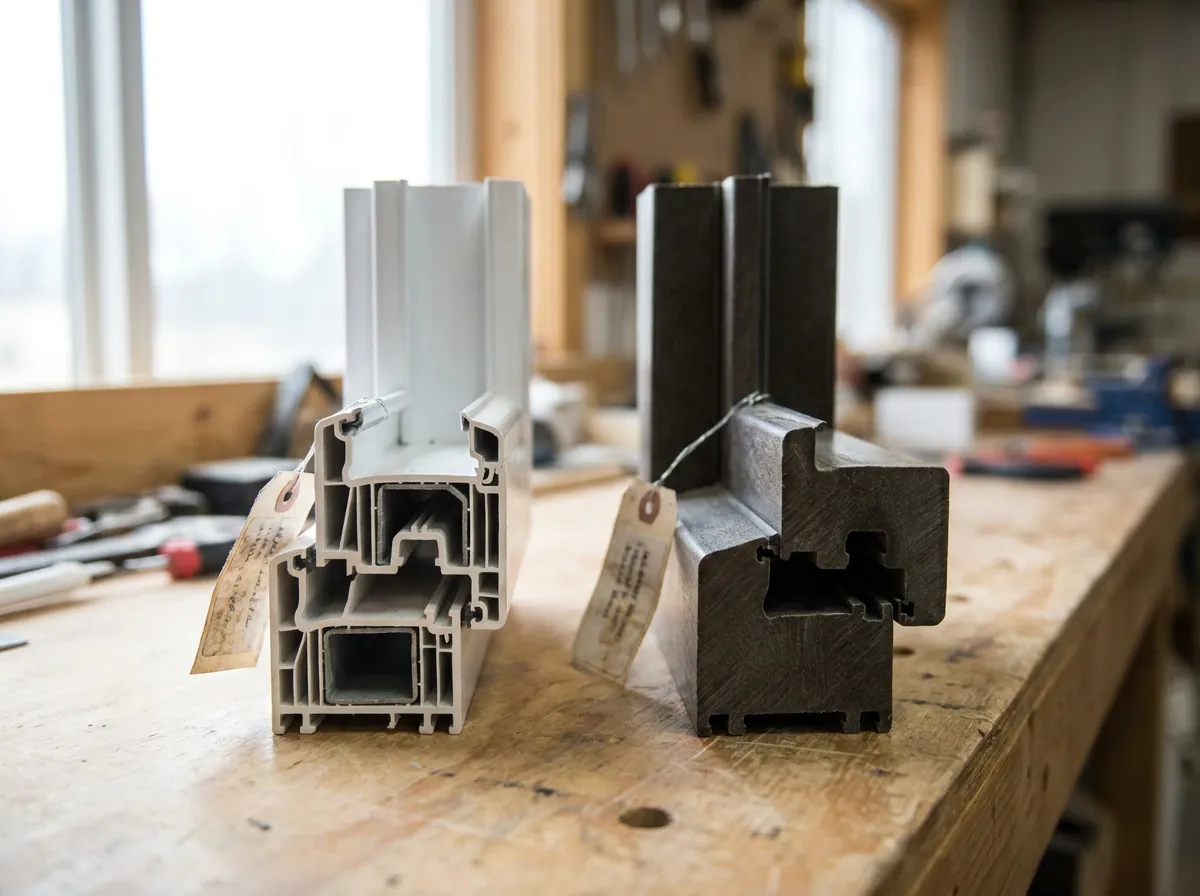
vinyl vs fiberglass vs aluminum-clad wood.
There is no single right answer here. There is a right answer for how long you’re staying in the house and what your budget actually is. Here’s how the three stack up in DFW conditions.
| Frame material | Expected lifespan in TX heat | MSRP delta vs vinyl | Thermal expansion | Paintable | Typical warranty |
|---|---|---|---|---|---|
| Vinyl | 25 to 30 years | Baseline | High, racks on units over 4 ft wide | No | 20 yr glass, lifetime frame (non-transferable) |
| Fiberglass | 30 to 50 years | +60 to +90 percent | Very low, matches glass coefficient | Yes, factory or field | Lifetime limited, often transferable once |
| Aluminum-clad wood | 30 to 40 years | +110 to +180 percent | Low on cladding, moderate on interior wood | Interior yes, exterior factory only | 20 yr glass, 10 yr cladding finish |
Vinyl is the value pick. We install a lot of Atrium, Simonton 6100 series, and Alside Mezzo on Plano and Frisco production homes where the customer wants real energy gains without a $20,000 ticket. The honest tradeoff is that vinyl over 4 feet wide can rack and the welded corners can craze after a decade of Texas UV. Stick to vinyl on standard double-hungs and single-hungs, and you’re fine.
Fiberglass is the engineering pick. Marvin Elevate, Pella Impervia, and Milgard Ultra hold tighter seals over 30 years because the frame and glass expand at nearly the same rate. No racking, no seal stress at the IGU corners, paintable if you want a color change later. Our Highland Park and Lakewood customers almost always end up on fiberglass.
Aluminum-clad wood is the architectural pick. Marvin Signature and Pella Reserve are what go into Bluffview tear-downs and Westlake estates where the interior reveal matters. Beautiful, expensive, and the exterior cladding still needs the right finish for west-facing walls.
Call (214) 326-3106 for a free inspection.
double-hung, casement, and the right pick per room.
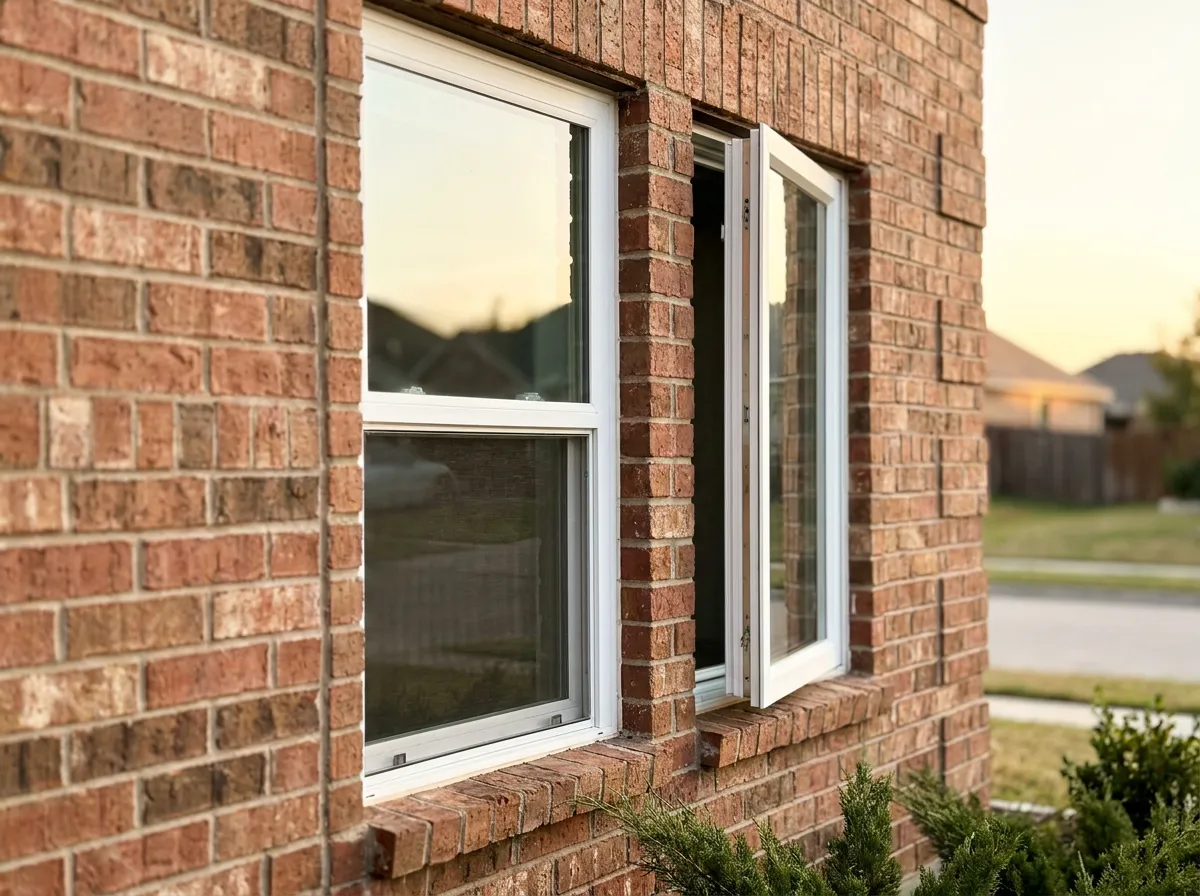
Operation style is a room-by-room decision, not a whole-house decision. Bedrooms have to meet NFPA 101 and IRC egress code, which means a clear opening of at least 5.7 sq ft, 24 inches minimum height, 20 inches minimum width, and a sill no higher than 44 inches off the floor. Most existing Dallas-area bedroom windows from the 1980s and 1990s do not meet current code, and a sliding swap that reduces the opening will fail inspection.
Kitchens above the sink should be casement. You can reach the crank from the front of the counter instead of leaning over a hot stove or wet basin. Bathrooms work best as awning units with obscure glass, because awnings shed rain even when open and obscure glass kills the privacy issue. Formal living and dining rooms usually want a fixed picture window flanked by operable casements, which gives you the view and the ventilation without the muntin clutter of double-hungs.
low-e coatings and the spectrum they actually block.
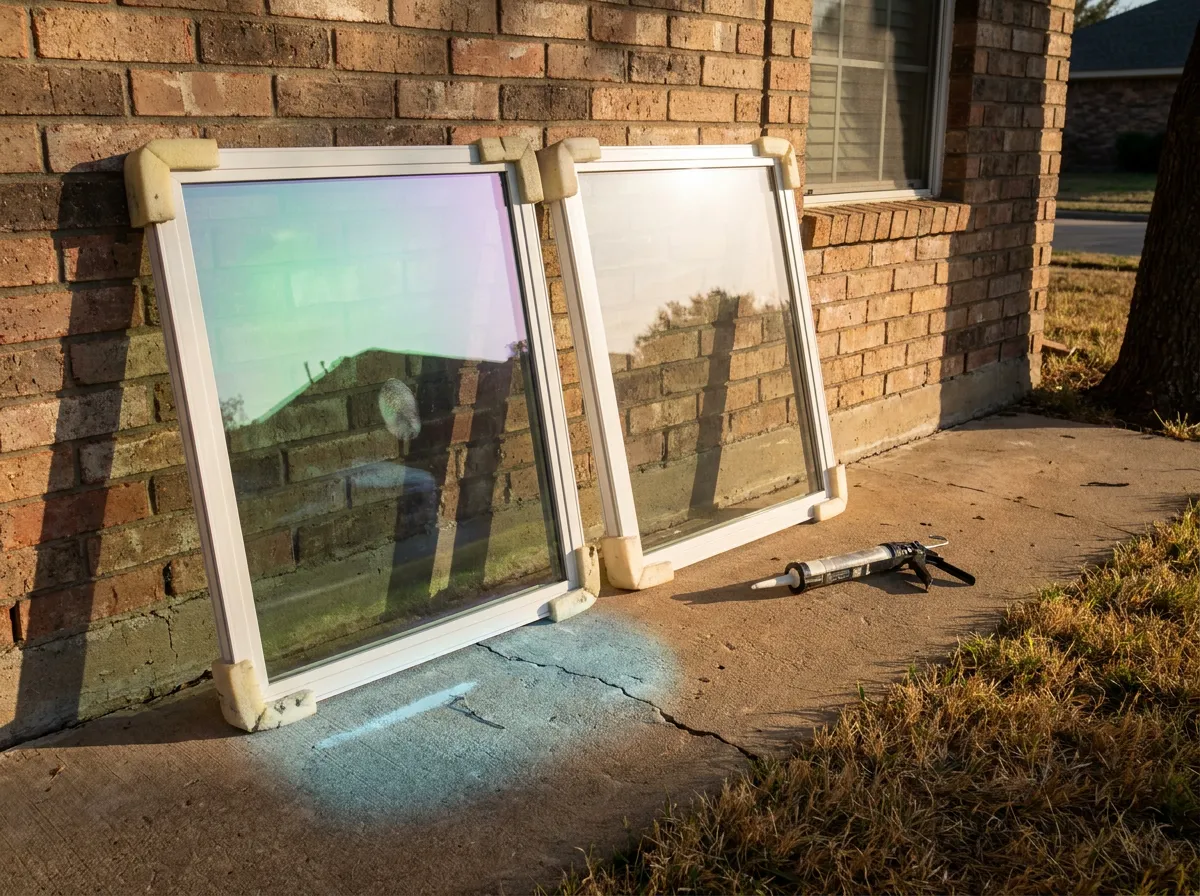
Low-E is a microscopically thin metallic coating on the glass that reflects specific wavelengths of light. There are two flavors that matter in Texas. Solar-control low-E, sometimes called low-E 366 or low-E 340, blocks 70 to 75 percent of solar heat in the near-infrared spectrum while letting visible light through. Passive low-E, often called low-E 180, blocks less solar heat but reflects more interior heat back into the room in winter.
For Dallas, the right answer is almost always solar-control low-E on east, west, and south elevations and passive low-E on north elevations. Putting passive low-E on a west wall in July is how you end up with a $500 electric bill. Our proposals spec the coating per elevation, not per house.
the rapid roof response process.
Five steps, same on a single foggy IGU swap and a 30 window whole-house.
- Free in-home inspection. A senior crew lead measures every opening, checks for hidden rot at the sill with a probe, reads your existing NFRC labels, and runs a thermal camera on a sunny wall. You see the leak before we sell you the fix.
- Written estimate with NFRC numbers. Every line shows U-factor, SHGC, VT, and air leakage. If we’re spec’ing different glass per elevation, the proposal says so. No “good, better, best” cards with the specs hidden.
- Order and lead time. Vinyl is 3 to 5 weeks. Fiberglass and aluminum-clad wood are 6 to 10 weeks. Color, grid, hardware, and screen type get confirmed in writing before the order ships.
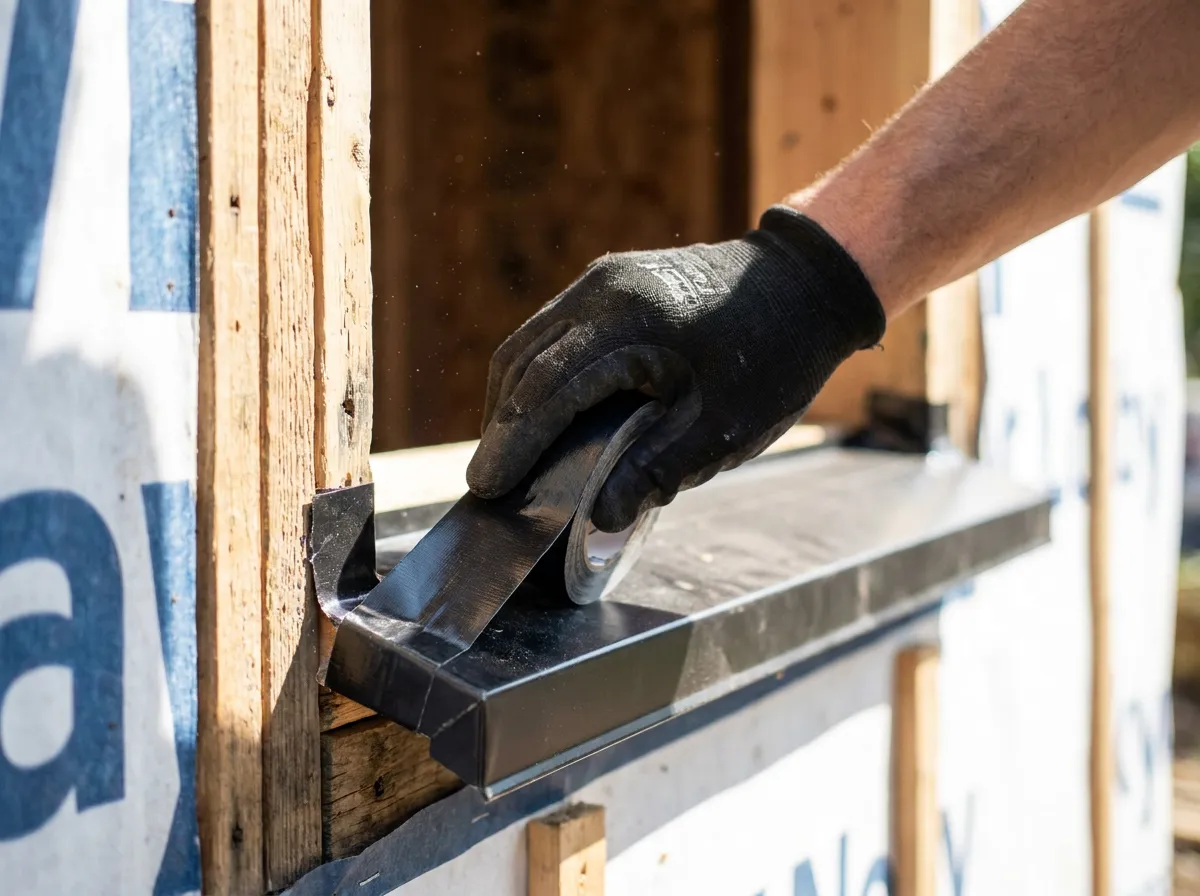
- Install day. Two to three installers per crew. Floors get tarped, drywall gets masked, and we open one elevation at a time. Sill pans and flashing tape per ASTM E2112 go in before the new unit sets.
- Final walk and warranty registration. We operate every sash, lock every unit, and file your manufacturer registration that night. You get the NFRC stickers and the manufacturer warranty PDF in one folder.
what window replacement costs in dallas.
Real numbers, not ranges with no anchor. Installed vinyl in standard sizes runs $400 to $700 per window. Fiberglass runs $700 to $1,200. Aluminum-clad wood runs $1,100 to $2,400. Custom sizes, full bay assemblies, and decorative grids push past those bands.
A whole-house 18-window replacement on a typical 2,400 sq ft Plano two-story usually lands like this. Vinyl Simonton 6100 with low-E 366 and argon fill, $10,800 to $13,500 installed. Fiberglass Marvin Elevate, same glass package, $16,200 to $21,000 installed. Aluminum-clad wood Marvin Essential, $22,500 to $34,000 installed. A foggy IGU swap on one or two units runs $550 to $900 per window because the mobilization and dump fee don’t scale down.
One Lakewood customer told us “the proposal was the first time anyone showed me the actual NFRC numbers next to the price. Made the call easy.” That’s not a generic five-star quote, that’s why we put the labels on the page.
Call (214) 326-3106 for a free inspection.
energy star tax credits for 2026 texas homeowners.
Federal Section 25C runs through 2032 and gives you 30 percent of the window cost back, capped at $600 per year for windows specifically. The window has to be ENERGY STAR Most Efficient certified for the south-central climate zone, which in 2026 means U-factor at or below 0.28 and SHGC at or below 0.23. We hand you the manufacturer certification statement and the NFRC labels you’ll need for IRS Form 5695.
Oncor’s residential efficiency program and CoServ’s rebate menu both offer additional incentives in some years, and they shift annually. We check the current program on your install date and apply where it actually pays out. Don’t count on a contractor who hasn’t read the 2026 program documents.
the texas 25 percent rule, what carriers actually require.
If your roof or windows took hail damage and your insurance carrier is paying for partial replacement, 28 TAC 21.1006 of the Texas Administrative Code requires the replacement materials to match the existing in quality, color, and size. If a match is no longer manufactured, or if matching would damage more than 25 percent of the surrounding undamaged units, the carrier owes the full elevation or the full house, not a patchwork.
For windows, this comes up when one or two units on an elevation get hail-cracked and the original manufacturer is out of business or that line is discontinued. We document the discontinuation in writing, photograph all units on the elevation, and provide the scope and inspection documentation your adjuster needs. We do not negotiate or adjust your claim. Texas Insurance Code 4102.163 bars roofers from doing that, and any contractor offering to is breaking state law.
dfw weather and the storm timeline carriers honor.
Carriers in DFW are currently underwriting claims tied to specific storm dates. May 28, 2023 produced softball-size hail across Frisco, Prosper, and northern McKinney. April 9, 2024 dropped 2-inch hail across central Plano, Allen, and Richardson. May 23, 2024 hit Fort Worth, Arlington, and Grand Prairie. June 17, 2024 brought a wind and hail line through Carrollton, Lewisville, and Flower Mound.
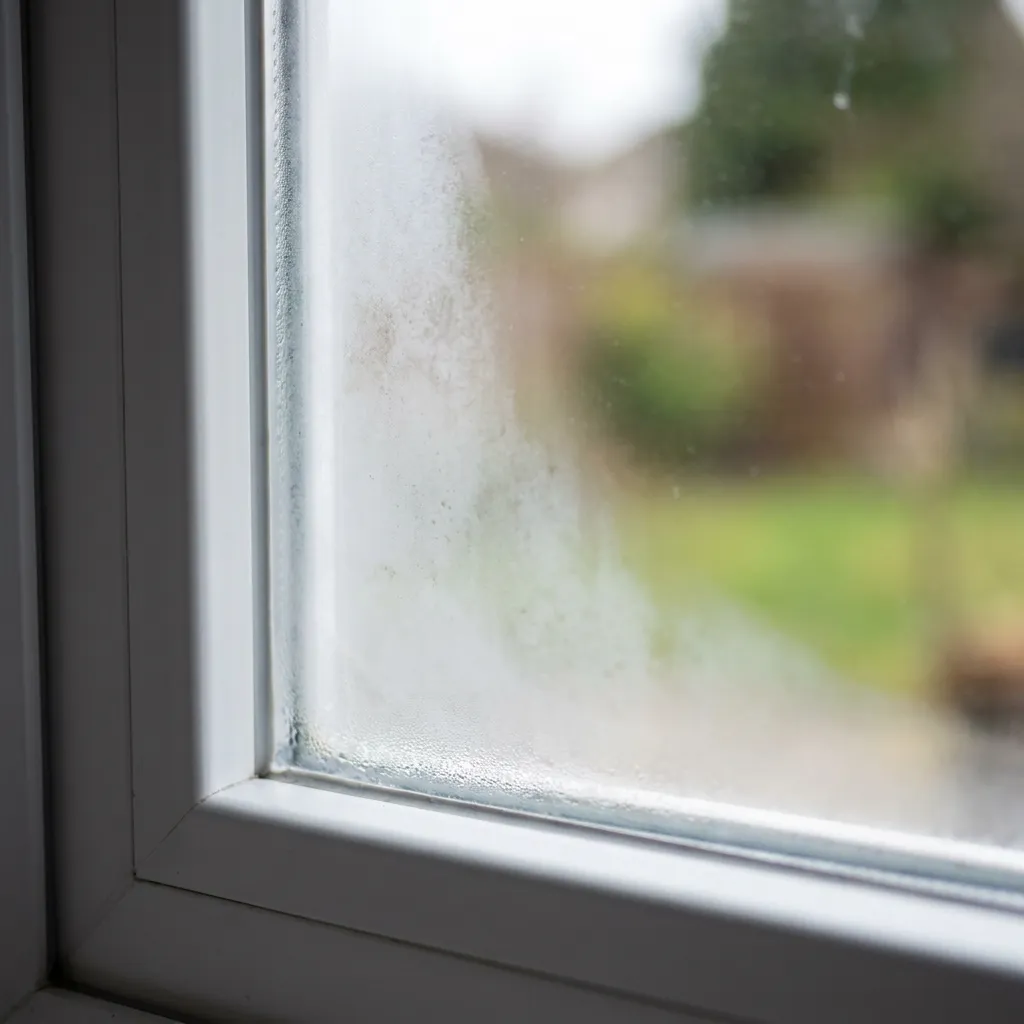
If your windows have foggy IGUs, dented aluminum cladding, or broken outer panes and you had a roof claim from any of those dates, your claim may still be open for window supplement. The window damage often shows up 6 to 18 months after the storm when the broken seal lets enough moisture in to fog the unit visibly.
payment plans.
We offer an in-house payment plan on qualified projects. A larger upfront deposit gets the work started and the balance is split over flexible terms depending on the size of the project. Cash jobs are always welcome, and full details are on our payment plans page.
Call (214) 326-3106 for a free inspection.
anti-storm-chaser warning.
After every named DFW hail event, the area fills up with out-of-state contractors in rental trucks. They knock doors, write a quick scope, push a contingency contract on the doorstep, and disappear within 90 days. On windows specifically, their scopes almost always miss broken IGU seals, dented frames behind the screen, and laminated glass interlayer damage that doesn’t show until the heat cycles enough times.
We are a Plano-based, family-owned, fully insured business, CertainTeed ShingleMaster certified, with a permanent office on Legacy Drive. We do not knock doors after storms. If someone has already given you a scope and it’s all roof with no window line items, get a second inspection before you sign anything.
dfw neighborhoods we serve.
Window replacement work is currently active or recently completed in these neighborhoods:
- Willow Bend, West Plano, Shoal Creek, Stonebriar, Starwood
- Phillips Creek Ranch, Twin Creeks, Watters Creek, Stonebridge Ranch, Adriatica
- Cottonwood Creek, Heritage Ranch, Craig Ranch, Lakewood, M Streets
- Bluffview, Highland Park, University Park, Preston Hollow, Lake Highlands, Coppell’s Old Town
We also run regular crews through Frisco, McKinney, Allen, Richardson, Wylie, Garland, Mesquite, Irving, Carrollton, Lewisville, Flower Mound, Grapevine, Keller, Southlake, Fort Worth, Arlington, Grand Prairie, and Prosper.
If you want to see what we’re working on near you, start with our service-area pages for Plano, Frisco, McKinney, Allen, Richardson, Coppell, and Dallas.
Pair this with our siding work, James Hardie installs, or a hail damage roof inspection if the same storm hit both your roof and your windows. Most of our whole-envelope customers save 8 to 12 percent bundling.
Call (214) 326-3106 for a free inspection, or schedule online and we’ll be at your door within 48 hours.
What's included
- On-site measure of every opening with rough opening verification and sill-pan inspection
- NFRC label review so you see actual U-factor, SHGC, VT, and air leakage before you sign
- Vinyl, fiberglass, or aluminum-clad wood frame options with written warranty comparison
- Low-E coating spec keyed to each elevation (east, west, south, north get different glass)
- Full tear-out of old units, including aluminum single-pane and failed double-pane IGUs
- Flashing tape, sill pan, and backer rod install per ASTM E2112 for water management
- Interior and exterior trim repair, caulk, and paint-ready finish on every opening
- Haul-off of old windows, glass, and frames, plus jobsite clean to broom-swept
- Manufacturer registration filed for you so the warranty actually activates
- Final walk with a moisture meter check on the sill and a thermal scan on a sunny elevation
How it works
- Free in-home inspection. One of our crew leads walks every window, measures rough openings, checks for hidden rot at the sill, and looks at your existing NFRC labels. We pull a thermal camera on a sunny wall so you can see where heat is actually coming in. Takes about 60 to 90 minutes for a full house.
- Written estimate with NFRC numbers. You get a line-by-line proposal that lists U-factor, SHGC, VT, and air leakage for each window we're quoting. Not a 'good, better, best' card with no specs. If we're quoting different glass packages for east versus north elevations, we show you why.
- Order and lead time. Vinyl runs 3 to 5 weeks. Fiberglass and aluminum-clad wood run 6 to 10 weeks. We confirm color, grid pattern, hardware finish, and screen type in writing before the order goes in. Custom sizes don't get reordered on our dime if specs change after this point.
- Install day. Two to three installers per crew. A typical 15 to 20 window house is one to two days. We tarp interior floors, mask drywall, and pull one elevation at a time so your house is never fully open. Sill pans and flashing tape go in before the new unit sets.
- Final walk and warranty registration. We walk every window with you, operate every sash, check every lock, run a hose test on a sample opening if you want, and file your manufacturer warranty registration that night. You get the NFRC stickers and the manufacturer warranty PDF in one folder.