Dallas, TX Roofing Contractor, Residential, Commercial & Storm Damage
30 minutes from our Plano HQ. Same ShingleMaster certified crews, same insurance claim documentation, same family-owned standard you would get if our office was on your street.


Our Plano HQ on Legacy Drive sits roughly 30 minutes north of downtown Dallas, which puts our crews on Preston Hollow estates, Lakewood Tudors, and M Streets bungalows the same morning you call. Dallas isn’t one roofing market, it’s a dozen stitched together by US-75, I-635, and the Tollway. Preston Hollow needs slate and tile blends matched to original profiles. The M Streets and Swiss Avenue Historic District have shingle-color rules that read like HOA covenants even when there isn’t a formal HOA on file. Lake Highlands and North Dallas ranches built in the 1960s and 1970s are sitting on three-tab originals decades past service life. Downtown and the Design District run TPO and modified bitumen that needs a different crew, a different warranty, and a different permit path. The 2024 spring hail season changed insurance claim volume across this city in ways carriers are still catching up to. We’ve pulled permits on Swiss Avenue, Mockingbird Lane, and Greenville Avenue since 2022, and we’ve documented enough Dallas roofs to know which streets the adjusters fight hardest on. That experience is what you’re paying for when you call us for dallas roofing work.
dallas sits at the geographic and economic center of north texas.
Dallas covers roughly 340 square miles across Dallas, Collin, Denton, Kaufman, and Rockwall counties, with a city population north of 1.3 million and a metro population over 7.5 million. The city stretches from the Trinity River basin and Bishop Arts in the south up to the Preston Hollow estates and the far North Dallas blocks that press against the LBJ Freeway and the Tollway. North to south you move on US-75 (Central Expressway), the Dallas North Tollway, and Preston Road. East to west the spine runs along Mockingbird Lane, Lovers Lane, Royal Lane, and the LBJ loop. That layout matters for roofing because hail cells ride the prevailing storm tracks, and the strongest North Texas cells usually build in from the northwest, run southeast across Plano and Richardson, then reach Lake Highlands, the M Streets, and Lakewood before they thin out over downtown.
The housing and economic mix here is what separates Dallas from every surrounding city. Preston Hollow and the Park Cities adjacent blocks hold some of the highest-value residential real estate in the state, estate homes running 5,000 square feet and up on lots that call for slate, tile, or designer-series composition. The M Streets and Lakewood carry 1920s to 1940s Tudor, Spanish revival, and bungalow stock with steep pitches, original plank decking, and shingle-color restrictions enforced by neighborhood associations even where no formal HOA exists. Lake Highlands and North Dallas are mid-century ranch country, mostly 1960s and 1970s builds on three-tab originals long past their service life. Downtown, Uptown, the Design District, and Deep Ellum push us into TPO, modified bitumen, and standing seam metal on commercial structures with their own code paths and permit timelines.
This profile differs sharply from Plano, Frisco, or McKinney, where you’re working mostly 1990s to 2010s production builds with consistent HOA rulebooks and similar pitch and decking conditions block to block. In Dallas, three roofs on the same street can be three different decades, three different shingle profiles, and three different HOA or historic district rulebooks. That’s why a Dallas estimate takes longer than a Frisco estimate, and why you want a crew that’s actually worked the variety.
dallas roofing corridors and hail patterns.
Hail in Dallas doesn’t hit evenly. The 2024 spring rounds left a swath pattern that carriers are still adjusting reserve estimates against, and the cells that catch downtown commercial roofs are usually different events than the ones that hammer the residential belt. Here’s how the corridors break down for us. Treat the storm references below as the general pattern, not a damage tally for your block, and confirm your own date of loss against the NOAA Storm Events Database.
- US-75 (Central Expressway) from Mockingbird to LBJ. This is the north-south spine that catches cells dropping south out of Richardson, and it tends to carry heavy claim volume between Mockingbird Station, the Park Lane interchange, and the Walnut Hill exit. The 1970s and 1980s commercial buildings along the east-side service road take roof-deck damage that needs a property-manager-grade documentation package, not a residential ladder shot.
- Mockingbird Lane from Lovers to Abrams. The east-west corridor through Lakewood and the M Streets. The Tudor and bungalow stock along Mockingbird, McCommas, and Vanderbilt has steep pitches that hold hail impacts longer than newer composition, so the bruising reads clearly in a test square.
- Preston Road from Northwest Highway to LBJ. The Preston Hollow estate corridor. Slate, tile, and high-end designer composition on 4/12 to 8/12 pitches, with the heaviest 2024 reports landing between Walnut Hill and Royal Lane. We run hail damage roof inspections on estate homes here plane by plane, because a single slate or tile field can fail a re-inspection if you scope it like a three-tab ranch.
- Greenville Avenue from Mockingbird to Lovers. Lower Greenville and the Vickery Place edge. Mixed 1920s bungalow stock with newer infill builds, so one storm can drive a full claim on the older three-tab roofs and only a partial on the newer architectural installs next door.
- Skillman Street through Lake Highlands. Skillman cuts north through some of the most consistent mid-century ranch stock in the city, between Lovers Lane and Walnut Hill. End-of-life three-tab inventory that earns full-replacement scope from adjusters when the test square supports it.
- Inwood Road and Mockingbird through Bluffview. Bluffview, Devonshire, and the western edge of Preston Hollow. Steep-pitch composition with stone and stucco architecture that needs careful flashing detail. Hail tends to skip across this ridge, so adjacent blocks see different damage profiles.
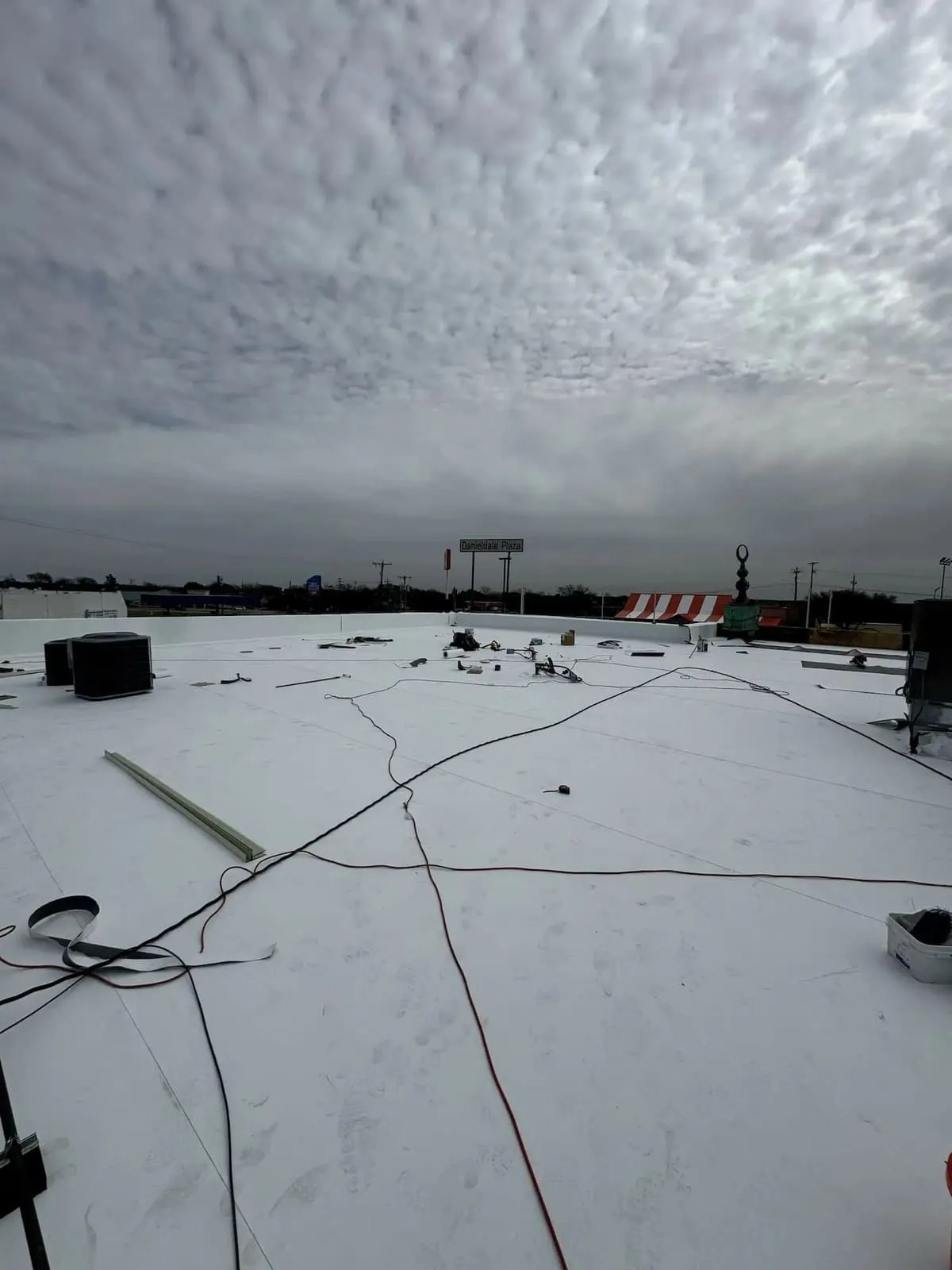
- Downtown and the Design District commercial belt. The cells that catch downtown TPO and modified bitumen roofs usually slip past the residential storm-chasers entirely. We run commercial roofing and emergency dry-in work across Deep Ellum, the Design District, and the Cedars on a different clock than the residential side.
dallas housing stock and what carriers expect.
Dallas housing stock skews older and far more varied than newer North Texas markets like Frisco, Prosper, or Celina. The Preston Hollow and Park Cities adjacent blocks run 1940s to 1970s estate construction with original slate, tile, and high-end composition that’s been replaced once or twice over the decades. The M Streets, Lakewood, and Swiss Avenue Historic District carry 1920s to 1940s Tudor, Spanish revival, and bungalow stock with steep pitches and original plank decking that has to be evaluated carefully on every tear-off. Lake Highlands and North Dallas are heavy with 1960s and 1970s ranch builds on three-tab originals or first-generation architectural composition now 20 to 30 years past service. Bishop Arts and Oak Cliff carry early 1900s craftsman and bungalow stock with the same plank decking concerns. The newer infill across Uptown, Lower Greenville, and the Cedars is 2000s and 2010s architectural composition on OSB decking with code-compliant ice-and-water and synthetic underlayment.
HOA shingle-color rules apply in some Dallas neighborhoods even where there’s no formal HOA on file. The M Streets, officially the Greenland Hills Conservation District, holds one of the largest preserved Tudor Revival collections in North America, and its neighborhood association covenants effectively restrict shingles to weathered wood, driftwood, and certain pewter and slate gray profiles. Preston Hollow has no overarching HOA, but several sub-neighborhoods enforce active deed restrictions, and architectural approvals come into play on Strait Lane and certain Park Lane addresses where slate and tile blends have to be matched within a tight tolerance. Swiss Avenue Historic District is the strictest of all, Dallas’ first Landmark Historic District since 1973, with the Landmark Commission reviewing shingle material, color, profile, and even ridge cap style on every replacement. We pull HOA and historic district submittal packets as part of our standard scope, not as an add-on.
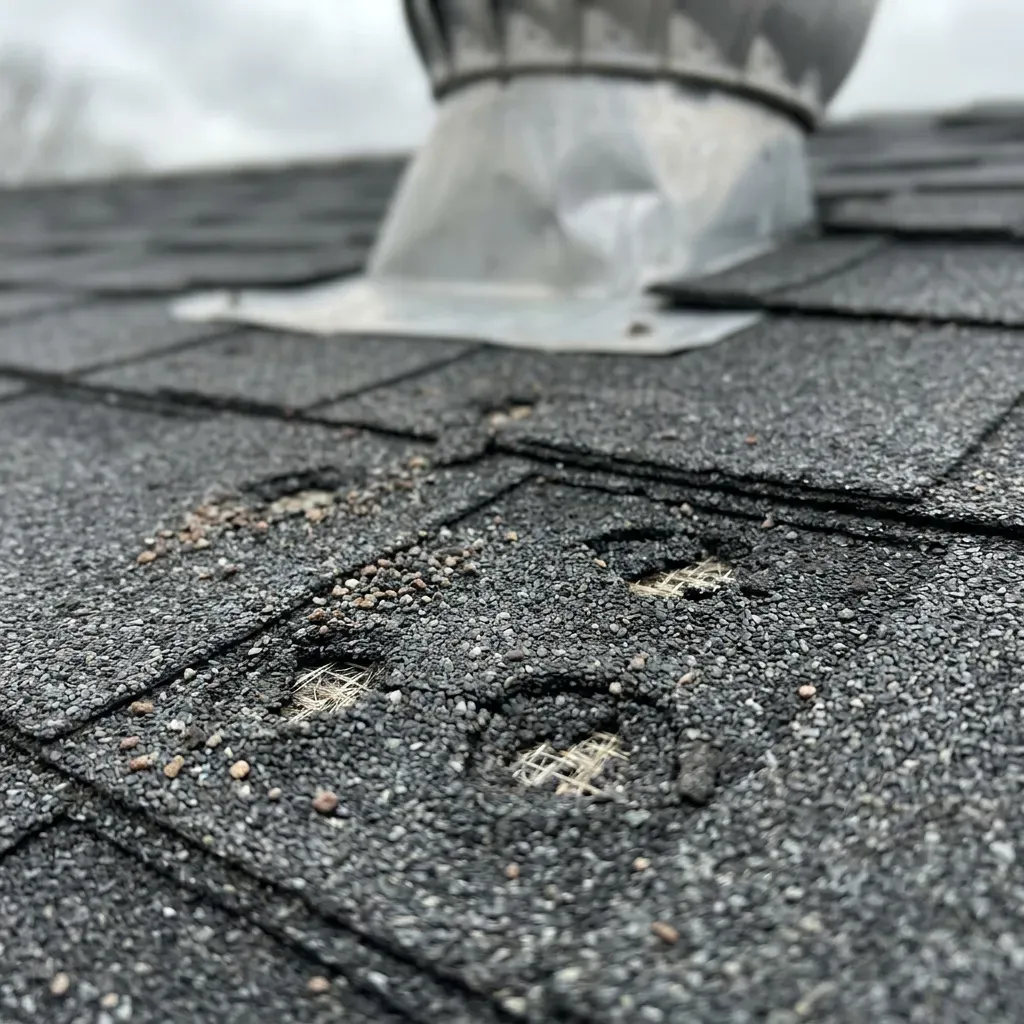
What carriers expect on a Dallas claim is documentation that holds up to a scope challenge. Texas Insurance Code 28 TAC 21.1006, the Texas 25 percent rule, requires that when more than 25 percent of a roof is damaged, the whole roof comes off and gets replaced to match. That rule bites hard in Dallas precisely because the housing stock is so varied. A 1960s Lake Highlands ranch on three-tab originals with 30 percent hail damage qualifies for full replacement under the rule. A Preston Hollow estate with slate accents and matching composition needs careful test-square documentation across each plane before anyone agrees to anything. We record storm date, hail size, mat exposure, soft-metal collateral, and granule loss across every plane before the adjuster ever climbs up. That’s how a claim survives a re-inspection.
how a dallas hail claim actually works.
- Pin the storm date first. We match NOAA hail-swath and radar archive data to your exact Dallas address before anything gets filed, because the wrong date of loss is the single fastest way to get a Dallas claim rejected. Confirm your own date against the NOAA Storm Events Database, and we’ll line the documentation up to the round that actually hit your block.
- Free inspection before you call the carrier. This order matters more in Dallas than almost anywhere, because the housing stock variety means not every hail-hit roof is a worthwhile claim. A 1960s Lake Highlands ranch on three-tab originals with a quarter-sized impact is a full-replacement claim. A 2015 Lower Greenville architectural roof with the same impact may only be a partial. We run a free roof inspection and tell you straight before you risk a non-renewal filing a marginal claim.
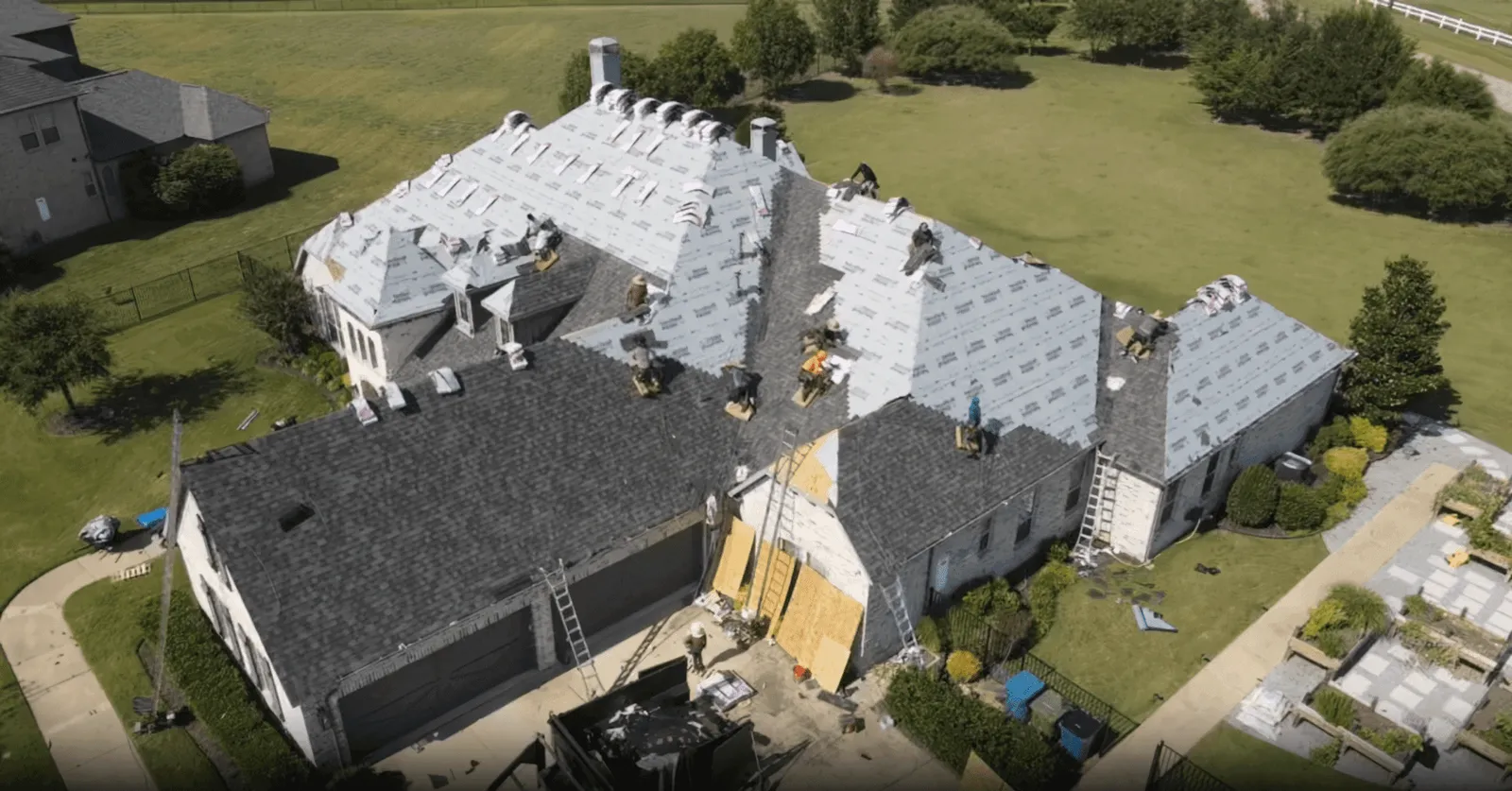
- Don’t sign with door-knockers. Storm-chaser flyers flood Preston Hollow, Lake Highlands, and the M Streets within 48 hours of any named event, and the Greenville Avenue and Skillman corridors get worked the hardest. Those crews are gone before the supplement gets filed, your warranty goes with them, and the carrier holds you accountable for the install they left behind. We re-roof a steady stream of failed storm-chaser work, and we document every slope the same way whether the home is here or in Plano.
- We meet your adjuster on the roof. We walk the scope together, push for full replacement when the test square and the Texas 25 percent rule support it, and file the supplement when the first scope misses code items like decking replacement, drip edge, or ice-and-water at valleys and pitch transitions. Close the claim properly and you get RCV, not just ACV.
Where Dallas claims live or die is the supplement. We carry the documentation, the scope back-and-forth, and the code-item negotiation as part of standard scope. We do not negotiate the claim itself, that authority is restricted to public adjusters under Texas Insurance Code 4102.163. We document, we scope, we meet your adjuster, and we file supplements within the scope of our trade.
dallas building department, permits, and code.
City of Dallas roofing permits run through the Department of Development Services at the Oak Cliff Municipal Center, 320 East Jefferson Boulevard, Room 118, Dallas, TX 75203, with online submission through the DallasNow (Develop Dallas) portal the city stood up in 2025. Most reroofs file as a trade permit under the building division. Historic district properties, Swiss Avenue, Munger Place, State-Thomas, and others, need a separate Certificate of Appropriateness from the Landmark Commission before a roofing permit can issue.
Standard residential reroof permits typically clear in a few business days here, while a commercial TPO or modified bitumen permit can run 20 business days or more on a new project. Historic district Certificates of Appropriateness add their own weeks on top, depending on whether the Landmark Commission has to take it up at a regular meeting. That timeline is exactly why we file the permit application the same day we sign a Dallas contract, especially in Swiss Avenue, Junius Heights, and the M Streets where historic review stacks onto the building permit. On Swiss Avenue in particular the substitution question is live, the Landmark Commission has denied requests to swap original slate for synthetic, so we sort the material question with them before we order anything.
Dallas works under the 2021 International Residential Code adopted with local amendments in Chapter 57 of the Dallas City Code, and the 2021 International Building Code with amendments in Chapter 53 for commercial work. The roof-specific provisions that catch people are the synthetic underlayment requirement, ice-and-water at valleys and pitch transitions under defined conditions, and the drip-edge requirement at every eave and rake. We scope to current code on every job, because a 1960s Lake Highlands roof that gets torn off has to come up to today’s code at the reroof, no matter what was nailed down originally.
dallas hoa rules and approved shingle profiles.
Most Dallas neighborhoods don’t carry a formal HOA the way Stonebriar or Phillips Creek Ranch does up in Plano and Frisco. What you run into instead is neighborhood association covenants, conservation and historic district rules, and deed restrictions on specific blocks. The M Streets, Lakewood, parts of Preston Hollow, Swiss Avenue Historic District, and stretches of Bishop Arts all carry effective shingle-color restrictions even where no formal HOA does the enforcing.
The CertainTeed Landmark profiles that clear Dallas neighborhood associations most often are Weathered Wood, Driftwood, Moire Black, and Pewter Gray. Landmark PRO and Landmark Premium get approved in Preston Hollow and the M Streets where the standard Landmark would already satisfy the covenant. For Preston Hollow estate homes that want a designer-series upgrade, we pull physical samples and submit the Presidential TL or Belmont profiles for architectural review before material goes on order.
We pull the HOA submittal packet, the historic district Certificate of Appropriateness, and the Landmark Commission review documents as part of standard scope. That’s not an upcharge, it’s how we get a permit issued and a job moving without losing two weeks to a paperwork mismatch.
what dallas neighborhoods we work most.
The Dallas roofing market splits into clear neighborhood patterns. Here’s the kind of work each one brings us.
- Preston Hollow. Estate replacements on 4/12 to 8/12 pitches with slate, tile, and designer composition, plus the architectural review and material matching that estate roofs demand.
- Lakewood. 1920s to 1940s Tudor and Spanish revival on steep pitches. Original plank decking that gets evaluated on tear-off, and neighborhood covenant color rules.
- M Streets. 1920s and 1930s Tudor and bungalow stock in the Greenland Hills Conservation District, with association color restrictions on McCommas, Vanderbilt, and Goodwin.
- Lake Highlands. 1960s and 1970s mid-century ranch on three-tab originals. End-of-life inventory that often qualifies for full replacement scope.
- North Dallas. Post-storm replacements at scale, both residential and small commercial along the Preston Road and Hillcrest corridors.
- Swiss Avenue Historic District. Landmark Commission review required, strict material, color, and profile rules, and careful tear-off and decking documentation.
- Bishop Arts and Oak Cliff. Early 1900s craftsman and bungalow stock with leak chases, partial replacements, and historic-sensitive material matching.
dallas landmarks.
Where Dallas roofs get permitted, where the hail cells line up, and where the housing stock tells the story. Three reference points before we get into the corridor breakdown.
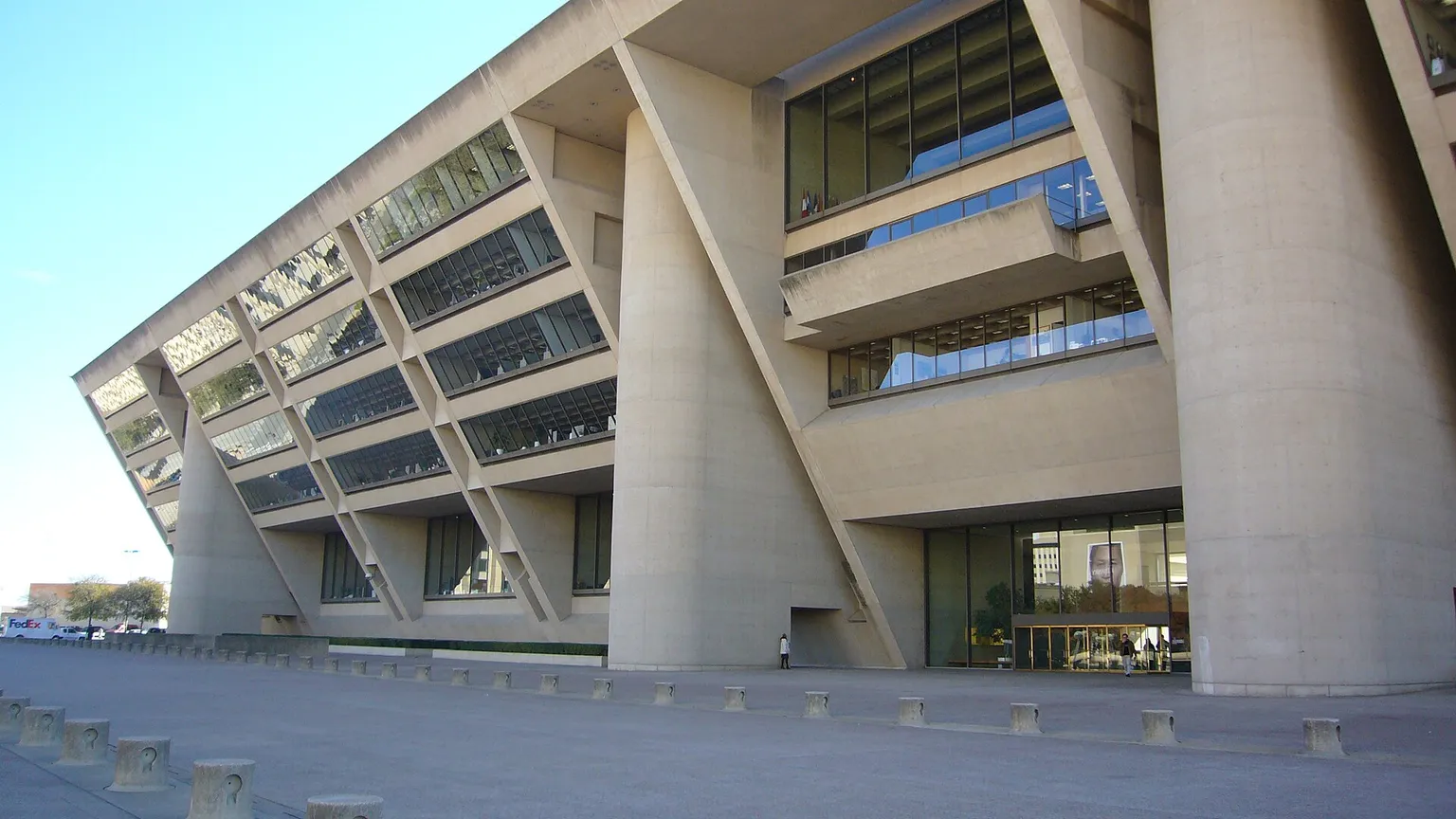
Dallas City Hall at 1500 Marilla Street, the municipal building where downtown commercial roofing permits are filed.
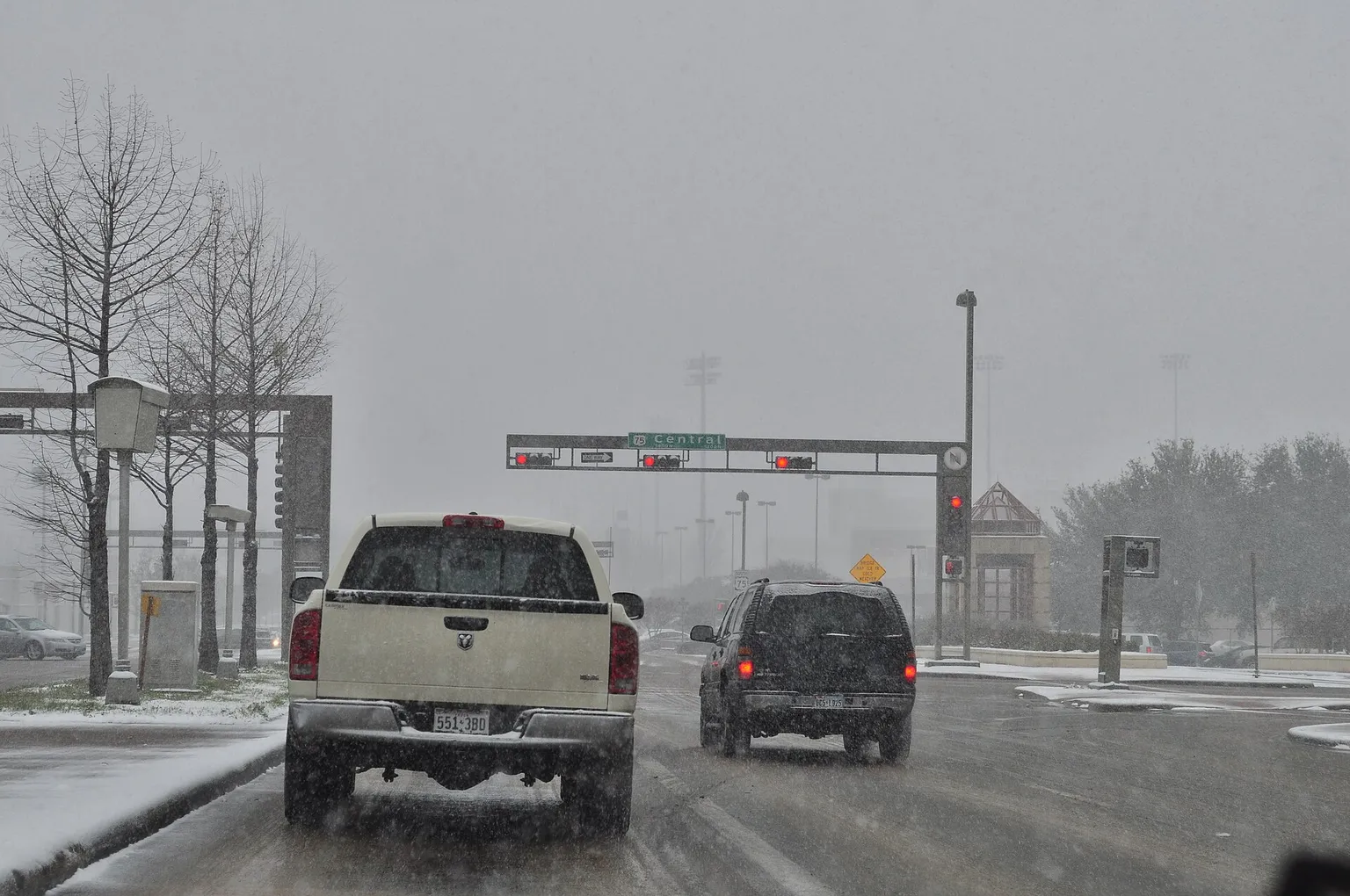
Mockingbird Lane, the east-west corridor through Lakewood and the M Streets that tends to catch heavy hail in the bigger spring rounds.
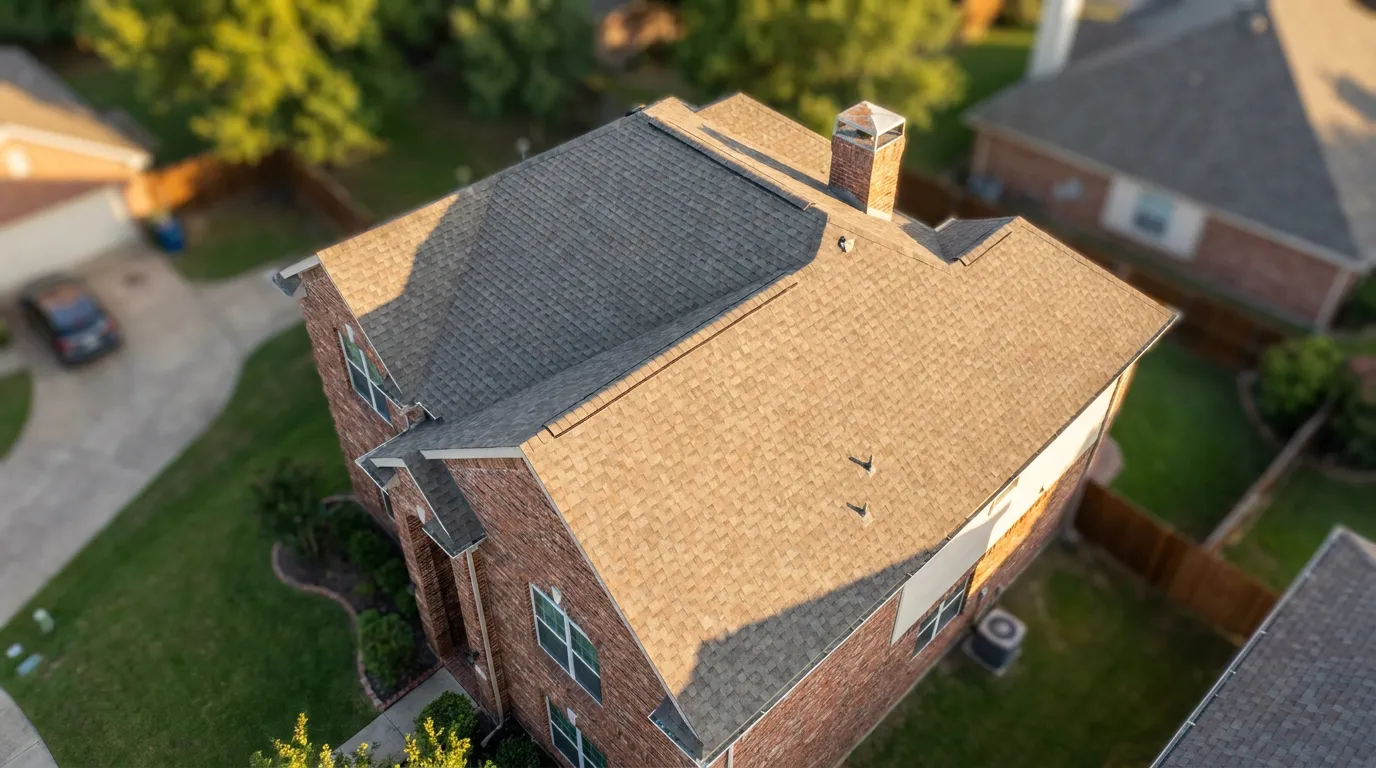
Established Dallas neighborhoods carry a mix of architectural shingle, with designer and metal profiles on custom homes.
who you are actually hiring.
Roof Raiders started in 2022, the year Sara Bannat was laid off at 40 weeks pregnant and she and her husband Mahmoud decided to build their own thing instead of going back to work for someone else. Mahmoud runs the crews. They built the company out of one Plano office to do right by Dallas families, not to flip a brand, raise outside money, or chase storms across state lines when the work runs thin. That matters in a city where the door-knockers outnumber the locals after every named event.
Every estimate clears one of them. Every warranty document carries one of their signatures. Call (214) 326-3106 about a Preston Hollow estate, a Greenland Hills bungalow, or a Lake Highlands ranch, and you’re talking to people who know the neighborhoods, the conservation districts, and the carriers. The credentials behind that promise are real and verifiable: CertainTeed ShingleMaster, which puts us in the top 3 percent of roofers nationally and is what lets us submit those designer profiles on Swiss Avenue and in Preston Hollow, a Goldman Sachs 10,000 Small Businesses Preferred Vendor standing, OSHA compliant, and a clean 5.0 rating on Google. The full story is on the about page. Meet Mahmoud and Sara.
Ready for a free inspection in Dallas? Call (214) 326-3106, our 24/7 storm line is answered by a real person, not a chaser working a flyer route. Want the numbers first? Run them yourself on our free roof cost calculator, and if a full roof replacement is in scope, ask about payment plans before you commit. We dispatch the same crews to Richardson, Addison, and Garland from the Plano office, so if you’re sitting on a city line, we’ve still got you.
Dallas hail history
Dallas takes hail in concentrated pockets rather than city-wide events. The 2024 spring season ran several rounds across Dallas County between March and May, with the heaviest reported stones near the city center around golf ball size, roughly 1.75 inches. North Texas hail season runs March through June, and the cells that form over Denton and Collin counties tend to track southeast across the city, catching different neighborhoods on different days. Pin your own date of loss against the NOAA Storm Events Database before you file.
Neighborhoods we serve in Dallas
- Preston Hollow
- Lakewood
- M Streets
- Lake Highlands
- North Dallas
- Bishop Arts
- Swiss Avenue Historic District
- Oak Cliff
Dallas on the map
What We Do
Roof replacement, storm damage, and insurance claims, handled end-to-end.
DFW homes take a beating from hail every spring. Our six service lines cover everything from the first leak call to your final depreciation payment.

Hail Damage Roof Repair
Full insurance claim assistance from inspection through final depreciation payment. CertainTeed materials, ShingleMaster install.
Learn more

Full Roof Replacement
Full tear-off to bare deck with CertainTeed Landmark through Class 4 impact systems and the registered 5-Star warranty. In house payment plans on qualified projects.
Learn more

Emergency Roof Repair
Active leak? We answer 24/7 and dispatch a tarping crew the same day. Permanent repair scheduled within days.
Learn more

Residential & Commercial Roofing
CertainTeed Landmark, Landmark Pro, Presidential, and full TPO/EPDM commercial systems across DFW.
Learn more
Insurance Claim Assistance
We meet your adjuster on the roof and document full replacement scope with multi-page photo reports.
Learn more

Solar + Multi-Trade
Solar panel detach-attach during roof replacement. Gutters, fencing, siding, and windows from one trusted contractor.
Learn more
52+ 5-Star Google Reviews and Counting
52+ Five-Star
Google Reviews
ShingleMaster
Top 3% of US roofers
Goldman Sachs
10KSB Preferred Vendor
Manjit Kapri
Local Guide·
So easy to work with Sara and Moe. They communicate effectively all the way through and helped me with my insurance process.

Jamie Finley
We've had the opportunity to partner with this roofing company on multiple projects through our flooring and renovation business.
Morgan Phelps
We absolutely love Roof Raiders! Their team is such a joy to work with. They're extremely professional and made the process easy and smooth for us.
Dallas homeowners, schedule your free inspection.
Free inspection. No pressure. ShingleMaster certified.